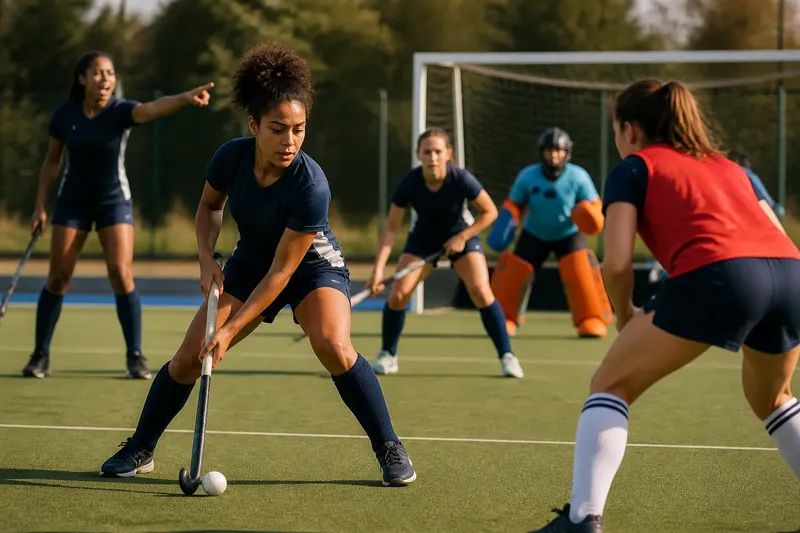
The One-Label Mistake in Talking About Athletes
Athlete identity need not be reduced to a sporting role. Choose precise language for each audience, while giving people room to describe their lives.

The common mistake in talking about athletes is to use the same description everywhere. “She’s a runner” may identify someone in a race report, but in a workplace introduction it can make the sport sound like the only useful fact about her. Athlete identity is shaped partly by these everyday choices of language and by the audience hearing them.
The answer is not to avoid sporting terms. It is to ask what the listener needs to understand, and whether the wording fits the subject rather than merely repeating a familiar label.
What does athlete identity mean in everyday language?
Athlete identity is the way a person understands and describes their connection to sport. Everyday language can acknowledge that connection without making it the default subject of every conversation.
Compare “the defender cleared the ball” with “he is a defender”. The first describes an action in a match; the second can sound like a lasting, all-purpose definition when used outside that setting. Context tells the audience how much weight to give a label.
How should you describe an athlete to different audiences?
Choose words for the setting and the point you are making. A match report needs sporting detail; an introduction at a community meeting may need the person’s connection to that group instead.
- In a match report: Check whether the position or event explains the action; if it does, use the precise sporting term, and if it does not, describe the action in plain language.
- At work or in a community group: Check which connection matters to the introduction; if the person’s job or community role is relevant, lead with that, and if sport is relevant too, add it as context.
- In a club announcement: Check whether the post concerns a selection, contribution or achievement; if so, name that specific detail, and if the announcement is broader, avoid presenting selection as a measure of the person’s worth.
- In a conversation about a changing role: Check whether the person still uses their former sporting label; if they do, follow their wording, and if you are unsure, ask what description they prefer.
- In a profile or interview: Check that each personal detail is relevant and approved; if it is, include it in its own right, and if not, leave it out rather than using it as colour for a sporting story.
- When praising performance: Check whether your words name a specific action; if they do, describe it, and if they rely on a sweeping label such as “a machine”, replace it with a concrete account of what the person did.
These choices help the audience follow the subject without asking one phrase to explain a whole person. They also keep private details private: a fuller description does not require someone to disclose family, health or personal history.
What wording works for athlete identity in a profile?
A profile can show a person in more than one setting, but the details should serve the story and reflect what the person is comfortable sharing. Avoid turning work, study or relationships into background decoration for a sporting narrative.
Say you are writing a club newsletter about an invented basketball player, Sam, who has just joined a local team, studies landscape design and repairs bicycles at weekends. Start by deciding the article’s purpose: if it announces Sam’s role in an upcoming match, call Sam a guard and describe the match contribution; if it introduces Sam to the wider club, mention the new team role, the course and bicycle repairs only with Sam’s agreement. The result is a match notice focused on sport or a general introduction with several relevant details, rather than a profile that assumes one role explains everything.
How can clubs use language without making it a test?
Introductions, team notices and award speeches all teach people what a club chooses to recognise. Name effort, teamwork or a specific contribution, while keeping selection and attendance separate from judgements about character.
For forms and profiles, make optional details genuinely optional. A club might ask for a preferred name, sporting role and an optional interest to share; if someone leaves the interest blank, publish the profile without it rather than pressing for personal information.
Clear expectations about training or availability can still be stated plainly. If an athlete has another responsibility, describe the practical arrangement rather than turning it into a verdict on their commitment or value to the club.
What should you say when an athlete’s role changes?
Use wording that fits the person’s current relationship with sport, rather than assuming a past role still defines them. Terms such as “currently competing for the club”, “plays as a goalkeeper” or “has moved into coaching” make the time and context clearer.
If you are speaking directly to someone and do not know their preference, ask how they describe their sporting role now. That is more reliable than guessing from an old team, result or public profile.
What do people ask about athlete identity?
Is it wrong to call someone an athlete?
No. “Athlete” is useful when sport is relevant or when the person uses the word for themselves. It becomes limiting when it is treated as the only part of their life worth mentioning.
Should I use “athlete” or name the sport?
Name the sport or position when it helps the audience understand a sporting subject. Use “athlete” for a broader discussion of sport, and choose a different description when another connection matters more to the conversation.
How do I describe someone who has stopped competing?
Use the person’s preferred wording, which might refer to coaching, recreational sport or a former competitive role. Do not assume that leaving competition means leaving sport, or that the person wants sport to remain their main label.
Can praise also make a label feel restrictive?
It can, particularly when praise such as “born leader” or “a machine” turns a specific performance into a fixed character description. Name the observable contribution instead, such as organising the defence or supporting a teammate.
How can everyday conversation leave room for other subjects?
Use a question that lets the other person choose what to share, such as “What has been taking your attention lately?” rather than making training the automatic topic. They can talk about sport, another responsibility or nothing personal at all.
For athlete identity, the useful test is whether the description fits the present subject and the person’s own preferred wording. A precise sporting term can clarify a match or a club role; outside that context, language that follows the person’s lead gives the audience a more accurate introduction without deciding which part of their life should matter most.